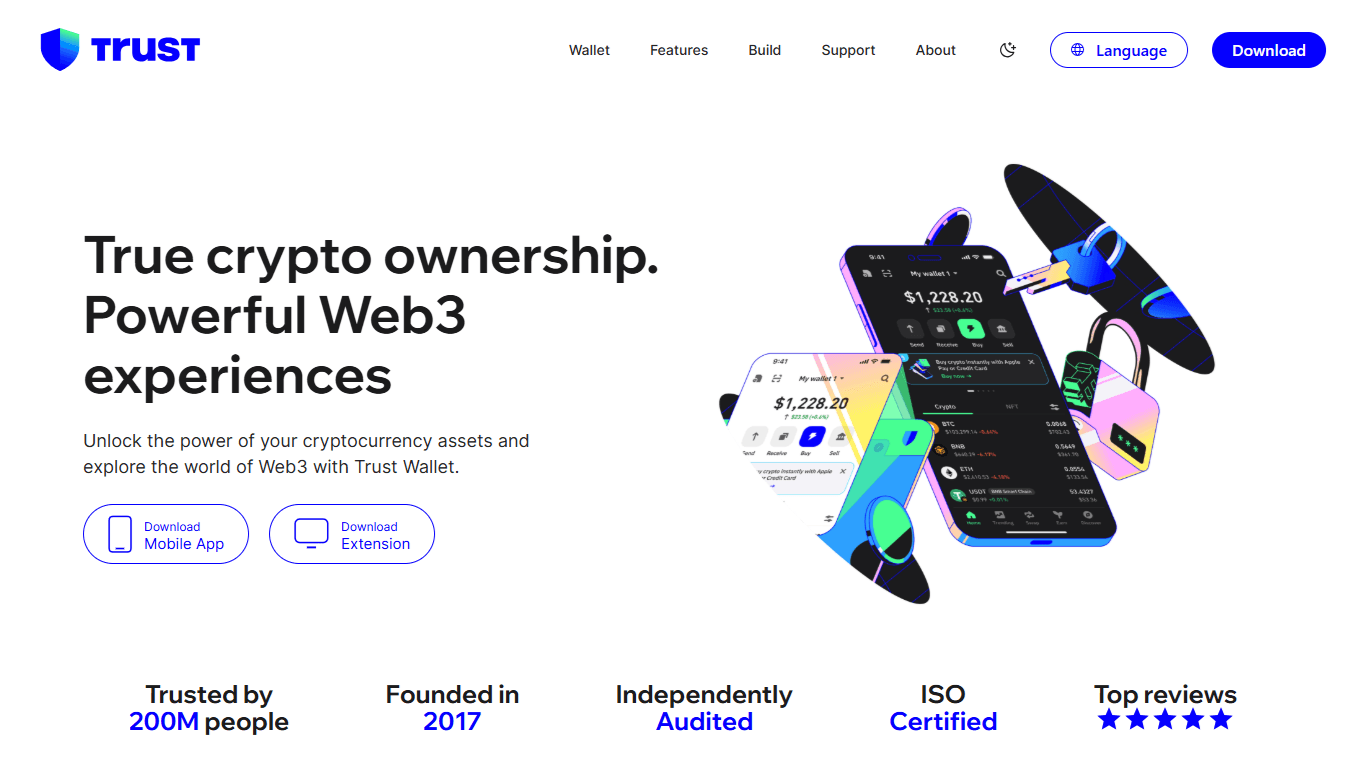
Trust Wallet: A Complete 1200-Word Guide to the Decentralized Multi-Chain Crypto Wallet
Trust Wallet stands as one of the most widely recognized decentralized crypto wallets, giving users complete control over their digital assets without relying on a centralized authority. As the demand for secure, private, and flexible crypto storage grows, Trust Wallet has evolved into a powerful tool for managing tokens, NFTs, dApps, and on-chain activities directly from a mobile device. This guide offers a detailed, fresh, 1200-word explanation of Trust Wallet—its purpose, features, setup, security practices, and overall value for both beginners and experienced crypto users.
Understanding Trust Wallet
Trust Wallet is a non-custodial wallet, meaning users retain full ownership of their private keys and recovery phrases. This design ensures that no third party, including the creators of the application, can access or control a user’s crypto. Unlike centralized platforms where assets may be held by a company, Trust Wallet turns your mobile device into a personal crypto vault.
It supports a wide range of blockchain networks, making it a true multi-chain wallet. From popular networks like Bitcoin, Ethereum, and BNB Chain to newer ecosystems such as Solana, Avalanche, Polygon, Fantom, and many others, Trust Wallet allows users to store thousands of cryptocurrencies in one place. This versatility makes it an ideal solution for those who want to manage multiple assets without switching applications.
Key Features That Define Trust Wallet
1. Multi-Chain Support
Trust Wallet integrates several blockchains at the core level. Users can store, send, receive, and manage tokens across dozens of networks. Whether you are dealing with ERC-20, BEP-20, SPL, TRC-20, or other token standards, the wallet automatically adapts without requiring technical adjustments. This multi-chain compatibility removes the complexity often associated with decentralized networks.
2. Non-Custodial Access
The wallet gives users complete autonomy. Your private keys and recovery phrase are generated and stored on your device, not on external servers. This provides enhanced security, as there is no single point of failure involving third-party custody.
3. Built-In dApp Browser
One of the signature functionalities of Trust Wallet is its decentralized application browser. This feature lets users access DeFi platforms, staking ecosystems, NFT marketplaces, gaming environments, and other Web3 applications directly. Interacting with decentralized protocols becomes seamless, removing the need for login credentials or centralized authentication.
4. NFT Management
Trust Wallet includes support for NFTs across multiple chains. Users can store and display their digital collectibles, track metadata, and transfer NFTs with minimal effort. As the NFT space continues to grow, Trust Wallet offers a convenient mobile-first solution for collectors.
5. Crypto Swaps and Built-In Trading
The wallet includes integrated swap features, allowing users to exchange tokens across compatible networks without leaving the app. These swaps are powered by decentralized liquidity pools, giving users the flexibility to trade while retaining custody of their assets.
6. Staking Options
Trust Wallet enables staking for certain supported blockchains. Users can stake tokens such as BNB, Tezos, Cosmos, and others to earn passive rewards. The interface provides easy-to-understand details such as annual percentage yield, validator information, and staking duration.
How to Get Started with Trust Wallet
1. Installing the App
Trust Wallet is available on mainstream mobile app stores. Once installed, you can choose between creating a new wallet or importing an existing one.
2. Creating a New Wallet
When setting up a new wallet, the application generates a recovery phrase—typically twelve words. This phrase is the master key to your funds. You must store it safely offline and never share it with anyone. Losing the phrase means losing access permanently.
3. Importing an Existing Wallet
If you already have a crypto wallet, you can import it by entering the recovery phrase or private key associated with that wallet. Trust Wallet supports various formats for wallet imports across multiple chains.
4. Adding Cryptocurrency
Once the wallet is active, you can add coins or tokens by receiving them from exchanges or other wallets. Every supported blockchain has its own address within Trust Wallet. The app clearly labels these networks to ensure users send assets to the correct chain.
5. Starting On-Chain Activities
With your wallet set up, you can begin accessing decentralized services. Whether you want to explore NFTs, provide liquidity to a DeFi pool, or swap tokens, all actions are performed without centralized restrictions.
Why Trust Wallet Is Popular Among Crypto Users
1. Simplicity for Beginners
Despite offering advanced blockchain capabilities, Trust Wallet maintains a clean and intuitive interface. The layout is optimized for easy navigation, making it suitable for those entering the crypto world for the first time.
2. Security Without Complexity
Users control their private keys, and there is no mandatory account creation. The security structure emphasizes local encryption and user autonomy rather than external management.
3. Large Ecosystem Integration
Trust Wallet seamlessly connects with a vast selection of Web3 platforms. Whether you are interacting with DeFi, NFTs, P2E games, or decentralized exchanges, the app provides a gateway into the broader blockchain universe.
4. Wide Asset Support
Unlike many wallets that limit their functionality to one or two networks, Trust Wallet embraces multi-chain diversity. This broad coverage eliminates the need for maintaining several separate wallets.
Security Considerations
1. Recovery Phrase Safety
Your recovery phrase is the core of your wallet’s security. Keeping it offline, preferably written on paper or stored using a metal backup device, is essential. Digital storage increases the risk of compromise.
2. Avoiding Phishing Attempts
Users should be wary of fake applications, fraudulent messages, and websites requesting wallet information. Since Trust Wallet is non-custodial, official support teams will never ask for private keys or recovery phrases.
3. Using Device Security Features
Strengthen your wallet protection by enabling biometric authentication, PIN codes, and secure device settings. These measures add an additional shield against unauthorized access.
4. Staying Updated
Keeping your wallet application updated ensures access to the latest security patches and features.
Use Cases of Trust Wallet
1. Long-Term Asset Storage
Many users rely on Trust Wallet as a secure mobile vault for storing crypto assets across various ecosystems.
2. Active DeFi Participation
The built-in dApp browser lets users engage in yield farming, lending, borrowing, and liquidity provision across multiple decentralized platforms.
3. NFT Collecting and Trading
Trust Wallet supports storing, sending, and receiving NFTs, making it suitable for traders and collectors.
4. Token Swaps
On-the-go crypto swaps provide convenience for traders who want quick asset conversions without external platforms.
5. Staking Rewards
Users can passively grow their holdings by staking specific tokens.
The Overall Value of Trust Wallet
Trust Wallet acts as an all-in-one decentralized crypto tool that simplifies blockchain interactions while providing a high degree of security and user autonomy. It is designed for both casual users seeking a straightforward wallet and advanced users navigating complex DeFi environments. With support for a large number of blockchains, integration with countless decentralized platforms, and a strong emphasis on privacy, Trust Wallet continues to stand out as a reliable mobile solution for managing digital assets.